Skip to Content

Microstar

​​

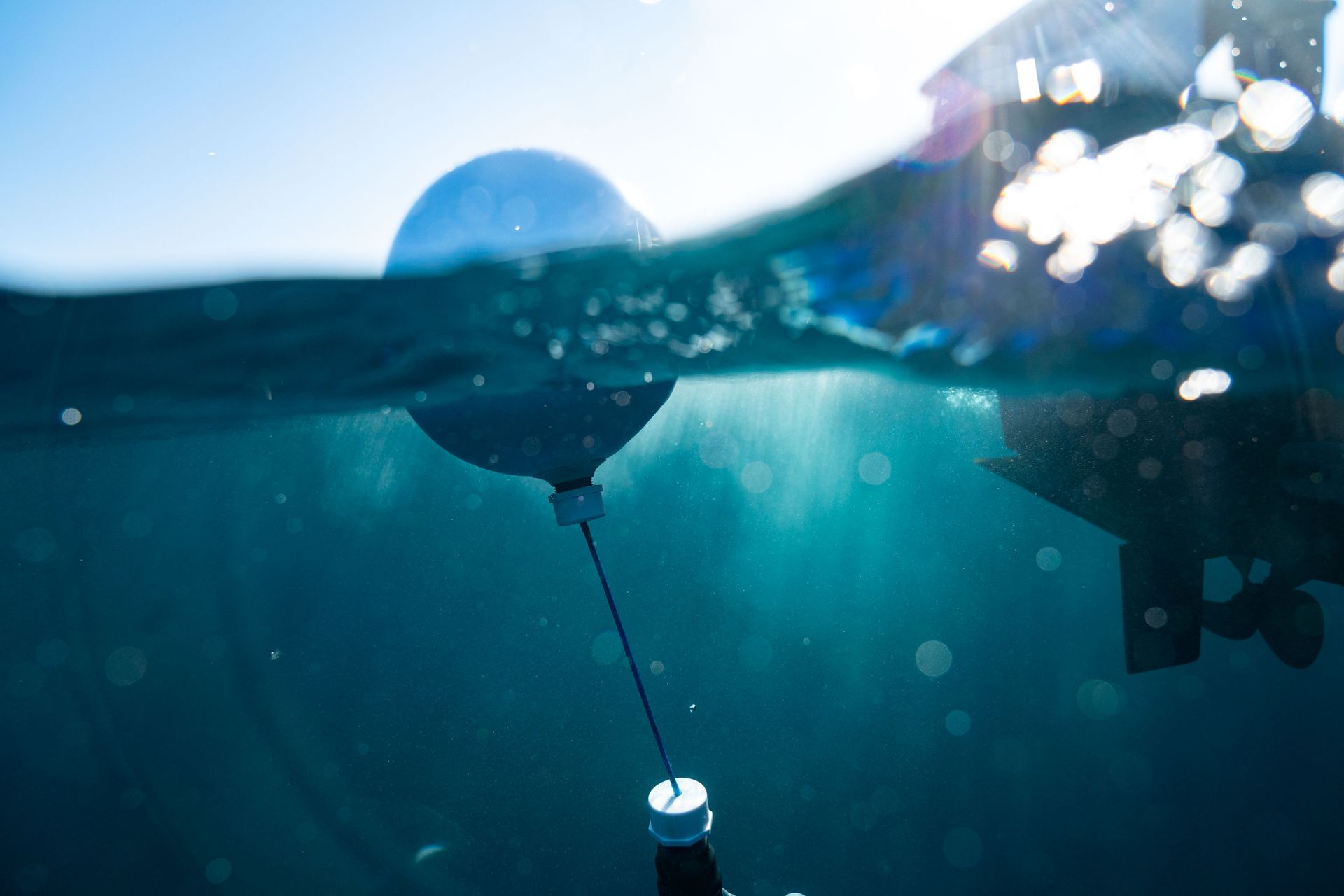
The Microstar Drifter is designed primarily for tracking currents at a depth of 1 meter, particularly suitable for coastal and shallow water environments.  The Microstar Drifter is a versatile tool for various coastal and shallow water applications, including circulation and dispersion studies and environmental monitoring.

Full Specifications 

Telemetry

Iridium SBD (Short Burst Data) or optional Globalstar Smartone C

GNSS

Enhanced location accuracy utilizing GNSS systems. Can also be configured to utilize satellite-based augmentation systems.


Packaging

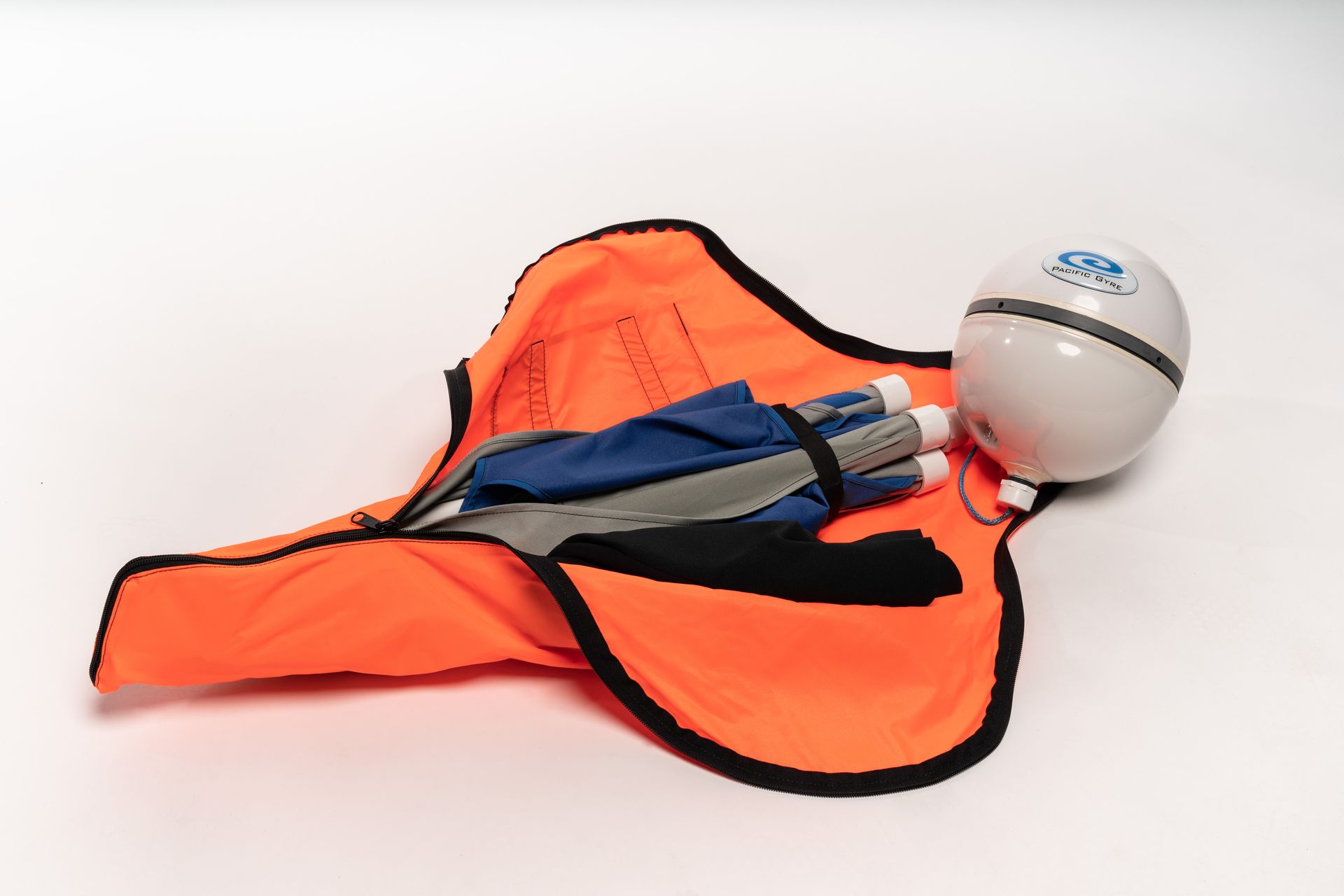
Box shipping is standard. An optional nylon carrying bag is available. For air deployments, rigging with a parachute is also an option; in this case, the drogue opens automatically within 5 seconds after landing in the water.

Battery

The Microstar is powered by a replaceable 12V, 15 Ah alkaline battery pack, eliminating the hassle of shipping lithium batteries.

Drogue

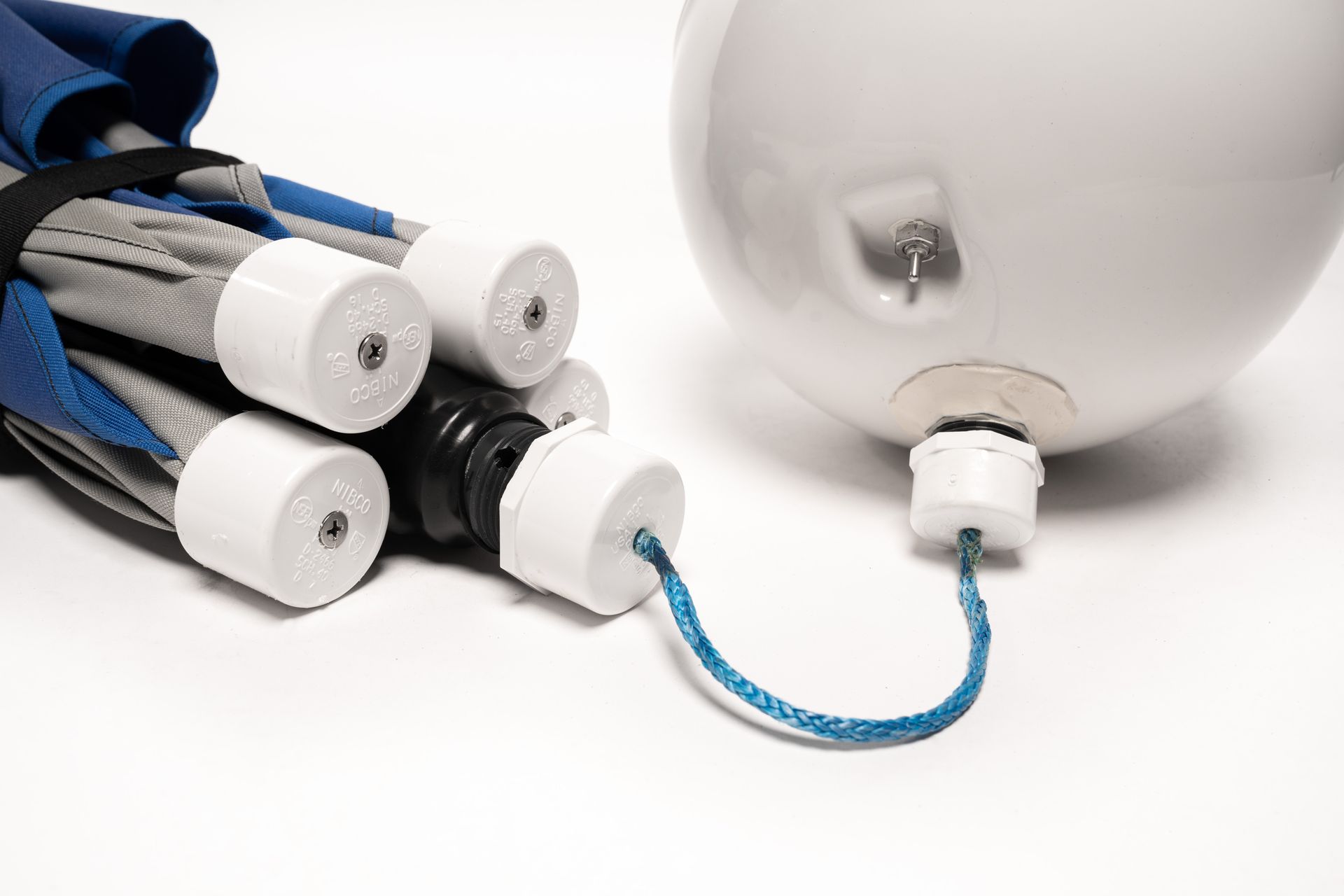
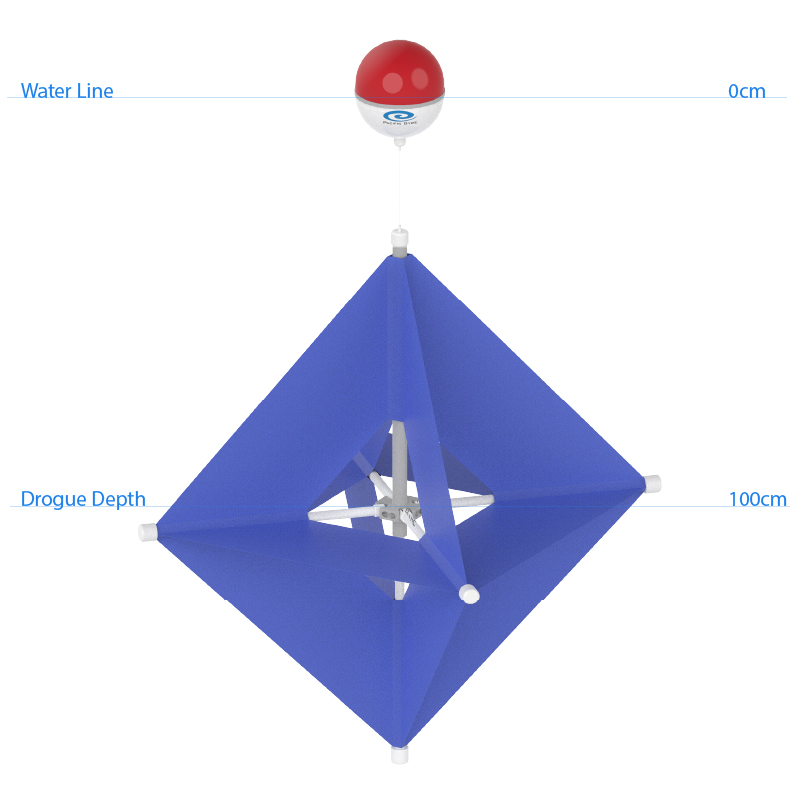
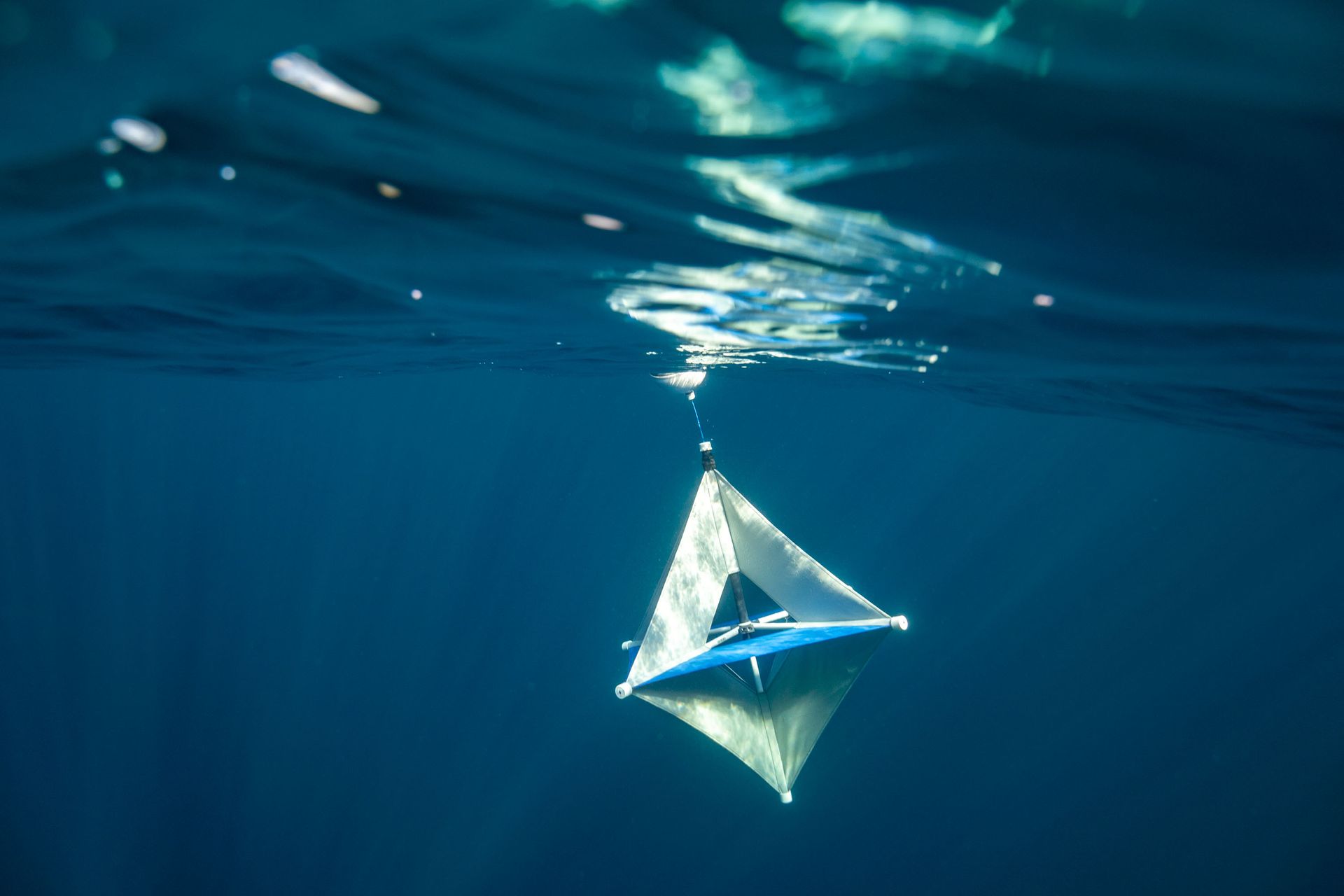
The Microstar is designed for easy storage, deployment, and recovery with a collapsible corner radar reflector.
Data Telemetry/Archiving/Distribution

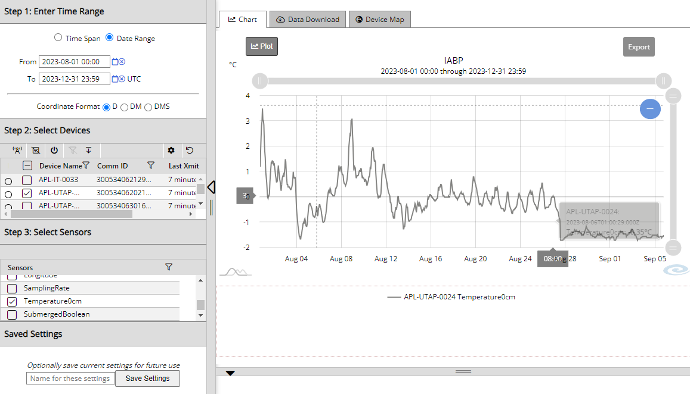
Includes data conversion to scientific units, a web browser interface with a dashboard map and current array status, convenient downloading, and device and organization administration. Data is archived on Pacific Gyre servers, and an API interface is available to download data directly to customer web pages or applications such as Excel and Matlab
Discover more

Applications

Standard Sensors

  • GNSS positioning
  • Battery voltage  
  • Drifter-deployed-in-conductive-water or drogue-on sensor


Available Options

  • Internal surface sphere temperature
  • High-resolution sea surface temperature
  • Orange surface float top
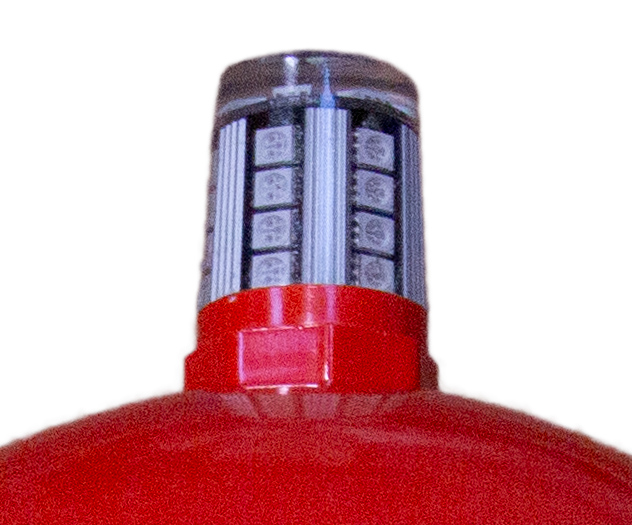
  • Commandable LED flasher
  • Choice of Iridium or Globalstar telemetry
  • Air deployable packaging
  • Drogue opens by water contact

Microstar Scientific References

Peer-Reviewed Journal Articles

  • Ohlmann, J. C., LaCasce, J. H., Washburn, L., Mariano, A. J., & Emery, B. (2012). Relative dispersion observations and trajectory modeling in the Santa Barbara Channel. Journal of Geophysical Research: Oceans, 117(C5). https://doi.org/10.1029/2011JC007810
  • Ohlmann, J. C., Romero, L., McWilliams, J. C., & Melville, W. K. (2017). Drifter observations of submesoscale flow kinematics in the coastal ocean. Geophysical Research Letters, 44, 330–337. https://doi.org/10.1002/2016GL071537
  • Romero, L., Ohlmann, J. C., Pallàs-Sanz, E., Pérez-Brunius, P., Statom, N. M., & Maritorena, S. (2019). Coincident Observations of Dye and Drifter Relative Dispersion over the Inner Shelf. Journal of Physical Oceanography, 49(9), 2447–2467.
  • Ohlmann, J. C. (2011). Drifter observations of small-scale flows in the Philippine Archipelago. Oceanography, 24(1), 122–129. https://doi.org/10.5670/oceanog.2011.09
  • Ohlmann, J. C. (2012). Can Surface Waves Decelerate Shoreward-Moving Drifters Just Below the Surface? Journal of Physical Oceanography, 42(8). https://doi.org/10.1175/JPO-D-11-0142.1
  • Johnson, M. A., Coon, E., et al. (2021). Subtidal surface circulation in lower Cook Inlet and Kachemak Bay, Alaska. Regional Studies in Marine Science, 41, 101559.
  • Danielson, S. L., Weingartner, T. J., et al. (2017). A comparison between late summer 2012 and 2013 water masses on the northeastern Chukchi Sea shelf. Deep-Sea Research Part II.
  • Weingartner, T. J., Dobbins, E., et al. (2017). The summer hydrographic structure of the Hanna Shoal region on the northeastern Chukchi Sea shelf. Deep-Sea Research Part II.
  • Lilly, J. M., & Pérez-Brunius, P. (2021). A gridded surface current product for the Gulf of Mexico from consolidated drifter measurements. Earth System Science Data.

Technical Reports & Government Publications

  • Halverson, M. J., Gower, J., & Pawlowicz, R. (2018). Comparison of drifting buoy velocities to HF radar radial velocities from the Ocean Networks Canada Strait of Georgia 25 MHz CODAR array. DFO Canadian Technical Report of Hydrography and Ocean Sciences 319.
  • Bureau of Ocean Energy Management (2012). Satellite-Tracked Drifter Measurements in the Chukchi and Beaufort Seas. BOEM Final Report 2012-070.
  • State Water Resources Control Board (CA) / UCSB (2010). Monitoring the Microbiology of the Montecito Outfall Wastewater Plume (Draft Final Report).
  • CICESE (Reporte de Datos). Experimento de Dispersión en Aguas Profundas del Golfo de México (DWDE).
  • Alaska Ocean Observing System (2010). A Demonstration of AOOS in Prince William Sound.
  • North Slope Borough / UAF CFOS (2012–2014). Chukchi–Beaufort Drifter Deployments.
  • Kachemak Bay National Estuarine Research Reserve (2018). Ocean circulation mapping to aid monitoring programs for HABs and invasive transport in south-central Alaska (Final report).